THE PLAYBOOK · NX12653
Hitori: rules and examples
Take a moment with Hitori before moving to another game. Shade repeated numbers while keeping black cells separated and all white cells connected. Check the relevant rule before repeating a move. Identify the playing area and the controls you need. Use the example below to understand a decision.
Play twelve 5×5 puzzles. Any shaded starting cells remain fixed.
A focus for your next round
When a decision goes wrong, compare it with the common mistake described below. Start again only when you intend to leave the current round. Notice the feedback after each input.
Your objective
Shade repeated numbers while keeping black cells separated and all white cells connected. An attractive position is not enough unless the goal is met. Take a moment to understand the current position.
How to proceed
- Click a cell to shade, mark or clear it.
- No unshaded number may repeat in a row or column.
- Black cells cannot share an edge.
- Check puzzle verifies duplicates and connectivity.
The controls to know
Click or tap squares or graph edges. Number boards include a digit pad. Undo reverses the previous change; Check puzzle validates the solution. A careful first action helps you become familiar with the layout. Check any mode label before starting.
Put the rules into context
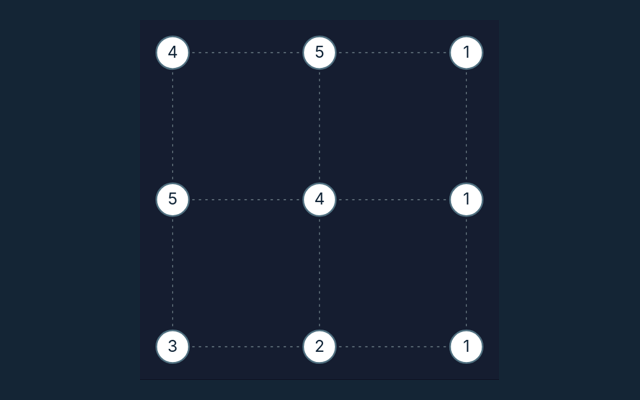
Two identical unshaded numbers in one row cannot both remain. Compare this with the rule that governs the move. Consider the next action carefully.
Watch out for this
Removing every duplicate can disconnect white cells. Compare the situation with the worked example. Keep the stated aim separate from side details such as animation or appearance. Progress is measured by the game’s own completion or scoring rules.
A few questions answered
What is the goal of Hitori?
For clarity: Shade repeated numbers while keeping black cells separated and all white cells connected.
For a quick reminder, how do I control Hitori?
The key detail is this: Click or tap squares or graph edges. Number boards include a digit pad. Undo reverses the previous change; Check puzzle validates the solution.
On this playing page, what example helps explain Hitori?
Here is the relevant explanation: Two identical unshaded numbers in one row cannot both remain.
What should I watch out for in Hitori?
Here is the relevant explanation: Removing every duplicate can disconnect white cells.
As a new player, what format does Hitori offer?
The key detail is this: Play twelve 5×5 puzzles. Any shaded starting cells remain fixed.
For a quick reminder, which play mode does Hitori use?
The key detail is this: The mode on this page is Solo. Same-device play uses one screen; this game library does not provide internet matchmaking.